The internet changed auctions forever. No more stuffy rooms packed with dealers waving paddles. Now you can snag that vintage lamp while eating breakfast or bid on electronics during your lunch break. Sure, jumping into online bidding feels scary at first. But once you know the basics, you’ll wonder why you waited so long to try it.
Understanding Different Types of Online Auctions
Online auctions come in all flavors. Some drag on for an entire week. You throw in a bid Tuesday morning, then someone outbids you Wednesday night, and the dance continues until Sunday at midnight. Other auctions happen fast. The auctioneer rattles off prices while you frantically click to keep up.
Then you’ve got reserve auctions where the seller won’t let go unless the price hits a certain point. No-reserve auctions? Those sell no matter what. Even if the final bid is five bucks.
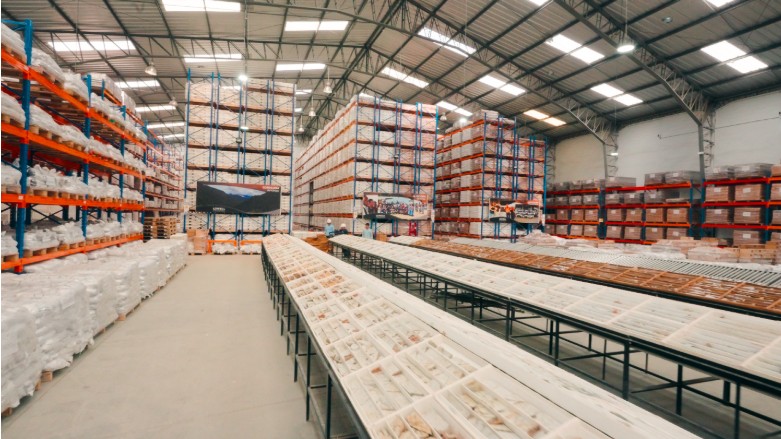
Every format needs its own game plan. Week-long auctions let you sleep on it. Live auctions? Better drink your coffee first because hesitation means losing out. Different platforms focus on different stuff too. Storage unit auctions found their sweet spot with online platforms like Lockerfox, where folks browse units from dozens of facilities without burning gas driving all over creation.
Research Before You Bid
Bidding blind is how you end up with expensive junk. Those photos the seller posted? Study them as if there’ll be a test. Zoom in. What’s that dark spot in the corner? Water damage? Shadow? Figure it out before losing money.
Descriptions hide important stuff in plain sight. “Some wear consistent with age” means beat up. “Untested” means probably broken. “Estate find” means someone’s grandpa left it in the attic for forty years. Sellers choose their words carefully. You should read them just as carefully.
Price checking takes five minutes but saves you hundreds. That antique clock might look like a steal at two hundred. Until you find three identical ones that sold last month for seventy-five each.
Mastering Bidding Strategies
Everyone’s got their own style. Some folks bid early to scare off competition. They want everyone to know they’re serious. Others play possum, waiting until ten seconds left to strike. Both ways work. Both ways fail. Depends on who else shows up that day.
Here’s the golden rule. Pick your limit before the auction starts. Not during. Not after someone outbids you and your ego gets bruised. Before. Write it on a sticky note if your memory’s terrible. Once bidding hits that number, you’re done. Walk away. Another deal will come along next week.
Platform patterns matter more than newbies think. Sunday night auctions get crazy competitive. Wednesday afternoon? Ghost town. Figure out when casual bidders are busy doing other stuff.
Managing Your Wins and Losses
You won something. Great. Now pay up. Fast. Sellers hate waiting for their money, and they’ll remember you next time. Bad feedback follows you around like a bad smell. Pick up your stuff when you’re supposed to. Ship it properly if it’s getting mailed. Don’t be that buyer everyone complains about.
Losing stings. Especially when someone outbids you by a dollar in the final second. But chasing items past your budget because you’re mad? That’s how people end up broke. Take the loss. Figure out what went wrong.
Conclusion
Online bidding is structured, not chaotic. Start small while learning. Bid on cheaper stuff where mistakes won’t hurt much. Pay attention to what works and what doesn’t. Build your reputation slowly. After a few months, you’ll spot rookie mistakes from a mile away. The deals are out there waiting. You just need the patience and smarts to grab them.