If you are responsible for procurement in a feed mill, food processing plant, or industrial operation, buying bulk sodium bicarbonate is never just about finding the lowest price. Inconsistent quality, poor packaging, or unreliable delivery can quickly turn a cheap purchase into an expensive problem. This checklist is written from the buyer’s perspective to help you evaluate suppliers more carefully and reduce hidden risks.
Table of Contents
Quality Evaluation from the Buyer’s Point of View
Start by requesting a complete and recent Certificate of Analysis for every batch. The document should clearly show purity level, moisture content, insoluble matter, heavy metals, and pH. For sensitive applications, purity above 99% and strict impurity control are essential. If a supplier hesitates to provide detailed analysis or only shares outdated data, treat it as a warning sign.
Consistency between batches matters as much as the numbers on a single report. One good shipment followed by a weaker one can disrupt feed formulations or production processes. Whenever possible, request samples before placing a large order and test them in your own laboratory or a trusted third-party lab.
When you buy feed grade sodium bicarbonate for poultry or ruminants, pay attention to particle size and solubility. These factors influence how evenly the product mixes into feed and how effectively it performs. For industrial grade sodium bicarbonate, confirm that the product remains stable under your process conditions and delivers predictable performance. When comparing food grade baking soda price, look beyond the unit cost. Differences often reflect the level of quality control and documentation rather than simple market competition. A lower price can become more expensive once waste, reformulation, or quality complaints appear.
Relevant certificates for the intended application should also be available. Food-related uses require proper food-grade documentation, while animal nutrition applications need supporting feed-additive compliance. Transparent suppliers usually make these documents easy to access.
Packaging Evaluation from the Buyer’s Perspective
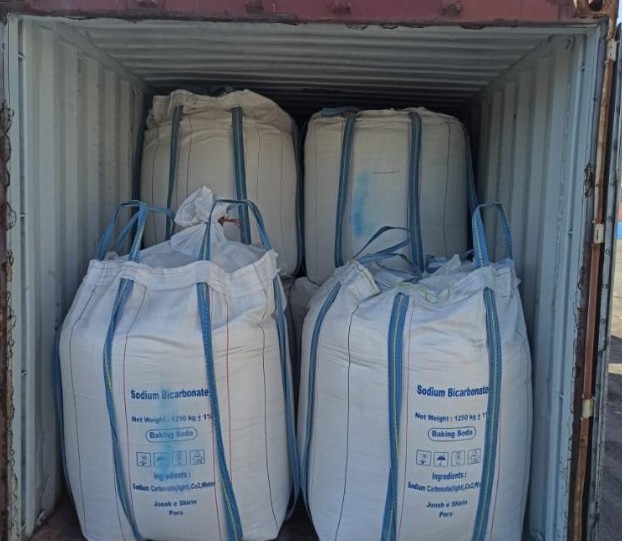
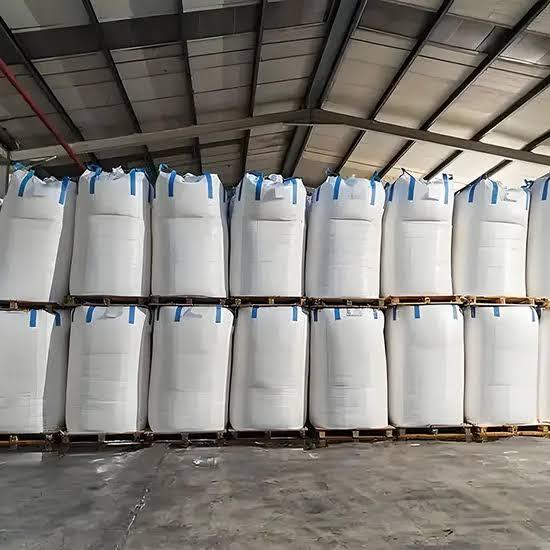
Good packaging protects product quality until the moment of use. Sodium bicarbonate is sensitive to moisture. Weak bags or inadequate moisture barriers can lead to caking, reduced free-flowing properties, and product loss during storage or transport.
Ask the supplier to describe the packaging system in detail. Multi-layer moisture-resistant bags, standard big bags, or packaging tailored to your unloading system should all be evaluated. Clear labeling is equally important. Production date, batch number, technical specifications, and storage instructions must be complete and readable. Incomplete labels make traceability and quality control more difficult.
If your purchase volume is high, check whether customized bag weights are available. Packaging that matches your production line reduces handling time and waste. When reviewing food grade sodium bicarbonate options, factor packaging quality into the total cost. Cheaper packaging often increases losses and labor costs later.
Logistics and Supply Reliability
Even high-quality product loses value if deliveries are late or unpredictable. Delayed shipments can stop production lines or disrupt feeding schedules. Therefore, assess the supplier’s logistics capability carefully.
Review production capacity and on-time delivery history. Ask whether the supplier can commit to monthly or quarterly delivery schedules and maintain agreed volumes. Limited capacity often leads to shortages during peak demand periods.
Clarify transportation terms in advance: insurance responsibility, loading procedures, estimated transit time, and shipment tracking. For buyers located far from production sites, access to regional distribution or intermediate warehouses can shorten lead times and improve reliability.
Technical support also forms part of the overall service. When questions arise about handling, storage, or application, responsive communication from the supplier’s team adds real value—especially when purchasing industrial grade sodium bicarbonate for continuous processes.
Making a Smarter Final Decision
Focusing only on the lowest price is rarely the best strategy. Calculate the true landed cost, including potential waste, delays, extra storage, and the impact of quality variation on your finished product. A supplier that delivers consistent quality, reliable packaging, and predictable logistics usually proves more economical over time.
Long-term agreements with clear price-adjustment mechanisms can add stability. The ability to review quality documentation or visit production facilities is another positive signal. Insights from other bulk buyers often reveal practical realities that catalogs do not show.
Successful bulk purchasing of sodium bicarbonate comes from balanced evaluation. Treat quality, packaging, and logistics as equally important. This approach reduces risk and gives you greater confidence in planning your production and supply chain.