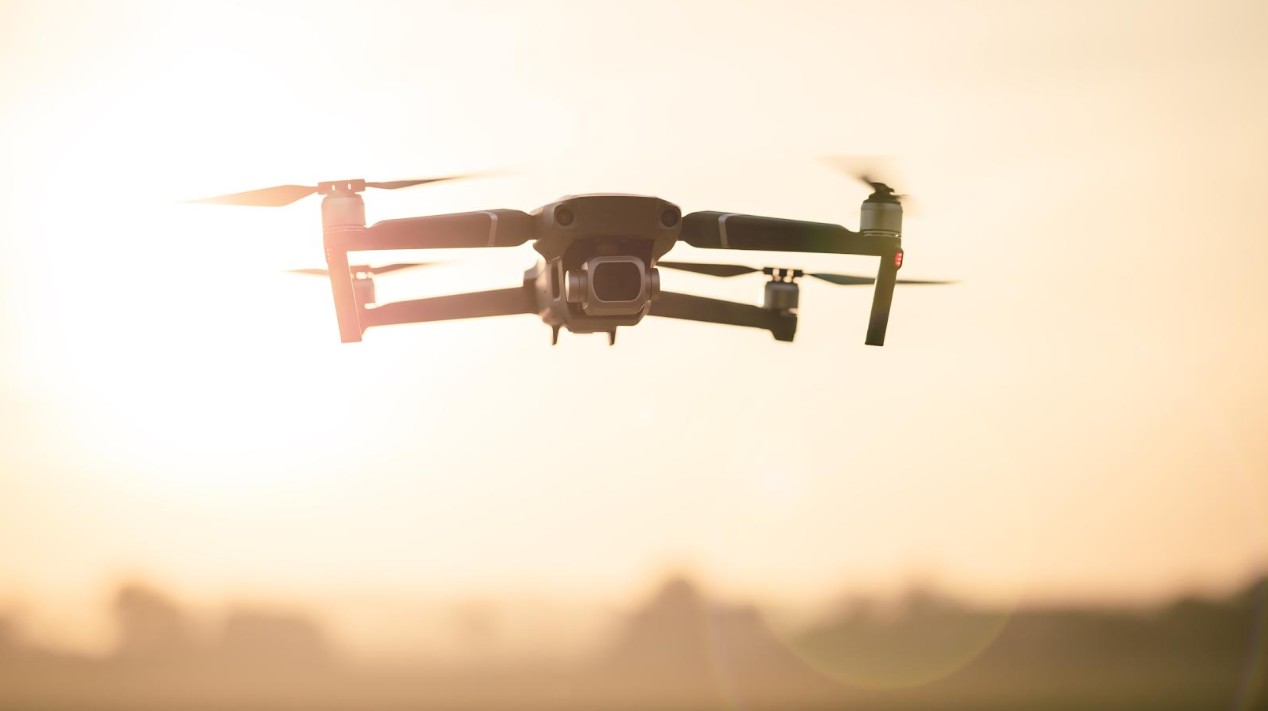
Nobody walks away from a drone demo talking about the propellers. They talk about the camera. The range. Maybe the software that tracked a moving target with no input. But the propellers? They just spin. They’re background noise, literally. Until they’re the reason, a platform can’t hold station in a crosswind. Or burns through battery twenty percent faster than projected. Or shakes so badly that the imaging payload can’t get a clean frame. Then suddenly, everyone has questions about the propellers.
The Overlooked Variable
Drone development teams pour months into airframe design, sensor integration, and flight software. That work matters. But propellers tend to get selected late in the process, almost as an afterthought. Pick a diameter that fits, find a pitch that seems reasonable, order a batch, move on. That approach works fine for hobby builds and bench testing. It falls apart in operational environments where every watt counts and vibration tolerances are measured in fractions of a millimeter.
What Goes Wrong and Why
Most propeller-related problems show up indirectly. A customer complains about short flight times. Testing reveals higher-than-expected current draw. Someone checks the props and finds inconsistent blade geometry; subtle pitch variations between blades on the same motor, or surface imperfections creating turbulence right at the trailing edge.
On molded plastic propellers, this kind of variation is common. The tooling degrades over production runs. Material shrinkage isn’t always uniform. Quality control sometimes amounts to a visual check and a weight measurement. That’s not enough when your platform needs to hold position in 15-knot winds for forty minutes straight.
Composite propellers handle these issues differently. Fiber layup, when done correctly, produces blades with consistent stiffness and geometry from unit to unit. Carbon fiber doesn’t creep or deform under repeated loading the way thermoplastics do. And the weight savings, even a few grams per blade, add up across a four- or eight-rotor system.
Choosing a Propeller Partner Carefully
This is where program managers need to slow down. Not every composite prop on the market delivers what it promises. Layup quality varies. Some vendors hand-finish blades with no repeatable process. Others invest in CNC-trimmed molds and automated fiber placement that produce consistent results at volume.
Composite drone propeller design and manufacturing companies that actually control the full process, from blade geometry modeling through cure cycle management, deliver noticeably better outcomes in the field. Aerodine Composites takes that approach a step further with their UAV propellers by maintaining tight feedback loops between their engineering and production teams. This means dimensional issues get caught and corrected fast rather than shipping out and becoming somebody else’s problem.
Asking the right questions during vendor qualification saves enormous headaches later. How do they verify blade balance? What’s their process control on fiber orientation? Can they show unit-to-unit consistency data? If a supplier can’t answer those clearly, keep looking.
Performance Hides in the Details
The difference between a mediocre propeller and a great one doesn’t jump out on a spec sheet. It shows up over hundreds of flight hours. Less vibration means longer sensor life. Better efficiency means fewer battery swaps per mission. Consistent blade geometry means predictable handling characteristics that pilots and autopilot systems can actually rely on. These are small edges. They compound into big operational advantages.
Conclusion
Propellers will probably never be the exciting part of a drone platform. Nobody’s making flashy launch videos about blade pitch optimization. But the teams building serious commercial and defense systems have figured out that this one component quietly shapes everything else. Ignore it and you’ll spend months troubleshooting symptoms. Get it right early and the rest of the aircraft just works better. The unglamorous parts usually are the important ones.