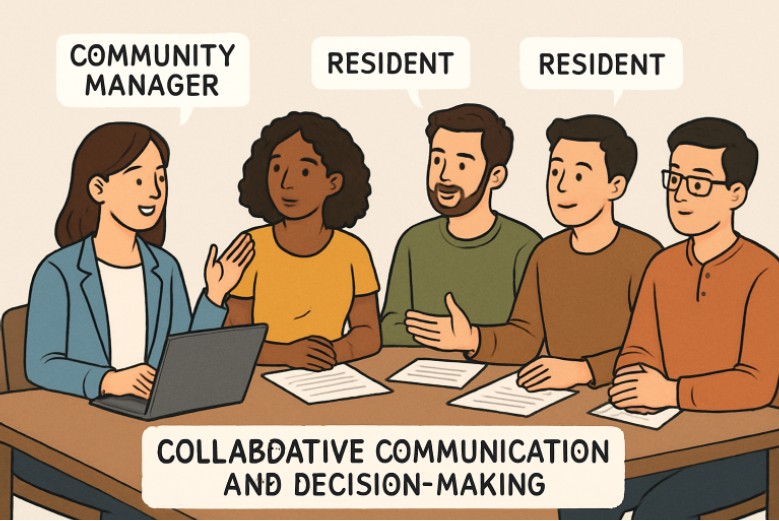
Successfully managing a community association hinges on a combination of strategic vision, responsive communication, and consistent engagement. As communities continue to evolve, the expectations around professional association management services have increased. These expectations reflect a growing need for proactive planning, transparent processes, and resident-centric approaches to deliver harmonious and sustainable communities. Establishing the right strategies is essential for creating an environment where residents feel heard and supported while administrative processes remain efficient.
Adopting new technologies, coordinating finances with precision, and involving residents in decision-making are key elements of thriving associations. By focusing on transparent communication, managers can foster trust and responsiveness within their communities. Frequent updates and open forums encourage collaboration, reduce conflict, and cultivate a shared sense of ownership among residents.
Furthermore, embedding strong governance and compliance practices into daily management routines not only mitigates legal risks but also enhances the community’s reputation. Prioritizing these elements strengthens the association’s fabric and ensures that every resident’s voice contributes to a vibrant, forward-thinking neighborhood.
For homeowners’ associations and property managers, it is crucial to develop effective financial plans, utilize digital tools, and keep communication channels open while ensuring every resident recognizes the value of their contributions. An additional focus for property professionals, whether managing a single association or multiple communities, is understanding the principles of residential property management, especially as residents’ needs and regulatory requirements shift.
Table of Contents
Fostering Open Communication
The importance of open and transparent communication in community association management cannot be overstated. Regular newsletters, vibrant social media channels, and interactive town hall meetings keep residents informed and engaged. These efforts foster trust by ensuring transparency in board decisions, fee adjustments, and project updates. Taking the time to address concerns directly in public forums also minimizes misunderstandings and allows for a collaborative problem-solving process.
Providing clear communication is not only about information sharing but it is also about listening. Surveys, suggestion boxes, and Q&A sessions encourage resident feedback, allowing associations to respond proactively to evolving community needs. According to the New York Times, refining communication skills is essential for effective leadership and conflict resolution, which directly benefits community associations trying to foster positive relationships.
Leveraging Technology for Efficiency
In today’s digital-first landscape, integrating technology into community management enhances operational effectiveness and resident experiences. Automated payment portals, resident mobile apps for maintenance requests, and virtual board meetings simplify administrative workflows and increase convenience for homeowners. These technologies also provide easy access to critical documents and real-time updates, reducing staff administrative burden and improving overall service quality.
AI and Automation Benefits
Introducing AI-powered chatbots for routine questions or automated notification systems for upcoming events further reduces workload pressures while ensuring that residents’ needs are promptly addressed. As highlighted by Forbes, leveraging advanced technology can help community managers focus on higher-level tasks, thereby improving efficiency and satisfaction for everyone involved.
Proactive Financial Planning
Strong financial management is a pillar of long-term association health. Reserving funds for future repairs and maintenance, performing annual reserve studies, and creating transparent budgets are critical practices. These efforts help avoid sudden assessments or increases in dues while ensuring that property values are protected through continuous investment in common areas and infrastructure.
Regulatory changes, such as Maryland’s House Bill 107, which mandates regular reserve studies, set clear expectations for fiscal responsibility. Associations that adhere to such standards build resident confidence and safeguard against unexpected liabilities. Transparent reporting and frequent financial reviews keep the community informed and involved in major financial decisions, minimizing the risk of disputes and instilling ownership over shared assets.
Encouraging Resident Engagement
High levels of resident engagement are pivotal for a thriving community. Creating opportunities for involvement ranging from volunteer committees and neighborhood watch programs to social gatherings and wellness initiatives empowers residents and nurtures camaraderie. Inviting feedback on community policies through regular surveys or suggestion platforms also increases satisfaction rates and ensures diverse perspectives shape community governance.
Recognition Matters
Acknowledging residents who contribute their time and expertise through awards, mentions in association communications, or special appreciation events reinforces positive behaviors and inspires others to join. Engagement is further amplified when residents see the tangible results of their involvement, such as neighborhood improvements or enhanced amenities, leading to a lasting sense of pride and collective achievement.
Staying Informed on Legal Compliance
Keeping up to date with legal requirements and governance standards is essential to risk management for associations. Regular collaboration with legal professionals ensures the timely adoption of new ordinances or state laws and helps association boards draft compliant bylaws and procedures. Proactive legal reviews and ongoing board training are important measures that strengthen the association’s standing and minimize exposure to costly litigation.
By consistently monitoring regulatory trends and participating in industry seminars, community associations position themselves to adopt best practices early. Staying alert to changes, whether related to fair housing, accessibility, or data protection, builds resident trust while shielding the community from reputational and financial setbacks.
Conclusion
Creating sustainable, resilient community associations involves active listening, technological innovation, financial stewardship, robust engagement, and unwavering legal diligence. By embracing these strategies, community association leaders can foster environments where homeowners and property managers alike enjoy mutual trust, streamlined services, and a vibrant sense of belonging.