


Ports and terminals are some of the most complex and dynamic environments in the maritime world. They’re not just places where ships dock, they’re critical gateways for global trade, handling everything from containerised cargo to bulk goods and energy supplies. Keeping these facilities running smoothly requires more than just surface-level management. Much of the work that keeps ports operational happens below the waterline.
This is where underwater engineering comes in. Whether it’s inspection, maintenance or construction, underwater marine services play a vital role in supporting the daily operations of ports and terminals. These services help keep infrastructure safe and compliant with environmental and regulatory standards without causing costly delays or interruptions.
In this article, we’ll take a closer look at how underwater engineering supports port and terminal operations, and why it’s become an essential part of modern maritime infrastructure.
Table of Contents
What is Underwater Engineering?
Underwater engineering refers to the specialised work carried out below the surface of the water. It combines civil engineering, marine technology and skilled diving operations to inspect, build and maintain structures that exist underwater. In the context of port and terminal operations, this includes everything from quay walls and jetties to pipelines, foundations and mooring systems.
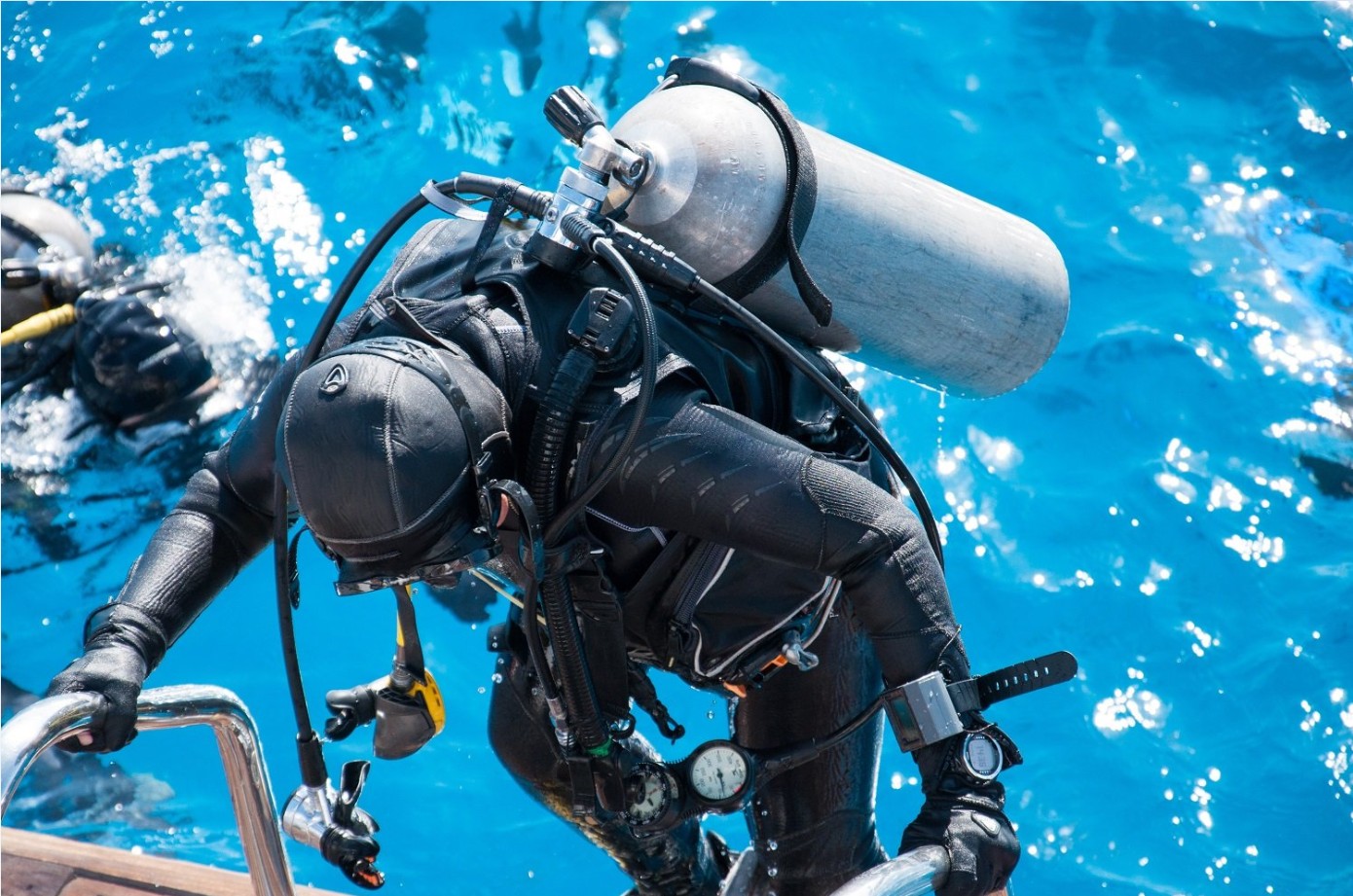
Underwater marine service providers bring together professional divers, remotely operated vehicles (ROVs) and cutting-edge tools to get the job done efficiently and safely. The work is often technical and physically demanding, but without it, critical infrastructure would deteriorate or fall out of compliance, affecting the entire supply chain.
Infrastructure Inspection and Maintenance
Ports are made up of complex structures that sit partially or completely below the waterline. Over time, these structures are exposed to saltwater corrosion, physical wear and marine growth. Regular underwater inspections help to assess their condition and ensure they remain structurally sound.
Divers and ROVs are used to examine underwater piles, caissons, quay walls, fenders and scour protection. High-definition video, sonar imaging and non-destructive testing methods are used to detect cracks, corrosion or shifting in the structure. Early detection of damage allows ports to carry out targeted repairs rather than large-scale overhauls, keeping maintenance costs lower and avoiding unnecessary downtime.
Without this kind of monitoring, ports run the risk of unexpected failures – which could lead to major operational delays or safety hazards for workers and vessels.
Emergency Repairs and Rapid Response
Ports operate on tight schedules. When damage occurs (whether from storms, vessel collisions or equipment failure), it needs to be addressed quickly to avoid disrupting cargo flow. Underwater marine services provide ports with access to rapid-response teams capable of assessing and fixing problems without needing to shut down entire areas of the port.
Emergency services can include underwater welding, hull patching, pipe sealing or mooring repairs. Many of these tasks can be carried out while the port remains operational, reducing the need for dry-docking or extensive closures. This fast turnaround is especially important in high-traffic ports where even short delays can have financial and logistical consequences.
Supporting Dredging and Waterway Management
Maintaining adequate water depth is essential for the safe passage of vessels. Silt, sediment and debris build up naturally in shipping lanes, and if left unchecked, they can block access or reduce navigational safety. Dredging helps remove this material, but the process needs to be carefully managed and monitored.
Underwater engineering supports dredging operations by surveying seabed conditions, mapping sediment levels and verifying depth after dredging has taken place. This ensures that dredging is carried out accurately and in line with environmental regulations. In some cases, divers may also assist in identifying obstructions or inspecting dredging equipment.
By keeping water depths within safe limits, underwater services help ports maintain accessibility for larger vessels and ensure year-round operational efficiency.
Installation of Subsea Infrastructure
Modern ports rely on a wide range of underwater systems to function properly. From subsea pipelines and cabling to anchoring systems and floating docks, these installations require precision engineering and skilled underwater execution.
Underwater service teams handle the installation of these systems, often in collaboration with civil engineers and port planners. Projects may involve everything from laying concrete mats for erosion control to installing cathodic protection systems that guard against corrosion. Some ports are also investing in renewable energy infrastructure, such as tidal energy systems or underwater data cables – further expanding the scope of underwater engineering.
Successful installation of these systems depends on experience, accurate planning and the ability to work safely in difficult underwater conditions.
Environmental Monitoring and Compliance
Ports operate under increasing environmental scrutiny. Regulations from local authorities and international bodies like the International Maritime Organisation (IMO) require ports to manage their environmental impact carefully. Underwater engineering plays a direct role in helping ports comply with these standards.
Inspections are used to monitor underwater noise, check for pollution sources, assess marine habitats and confirm that construction or dredging activities aren’t causing harm to surrounding ecosystems. By regularly collecting and reporting this data, ports can demonstrate compliance and make adjustments where needed.
In some cases, underwater teams also assist with environmental mitigation efforts, such as removing marine debris, containing fuel leaks or installing barriers to prevent the spread of invasive species.
Final Thoughts
Ports and terminals are vital for global trade, but the work that keeps them running isn’t always visible. Underwater engineering has become an essential part of port operations, helping to maintain infrastructure, support fast-paced logistics and ensure compliance with safety and environmental standards.
As global trade volumes grow and infrastructure ages, the demand for reliable underwater marine services will only increase. These teams provide the technical skill, rapid response and long-term support that ports need to operate efficiently and sustainably. By looking below the surface, port operators are investing in the resilience, safety and future of their operations – making sure they’re ready to meet the challenges ahead.

